Hissing, Gnashing, Piercing, Cracking: Naming Vowels in Medieval Hebrew (2021)

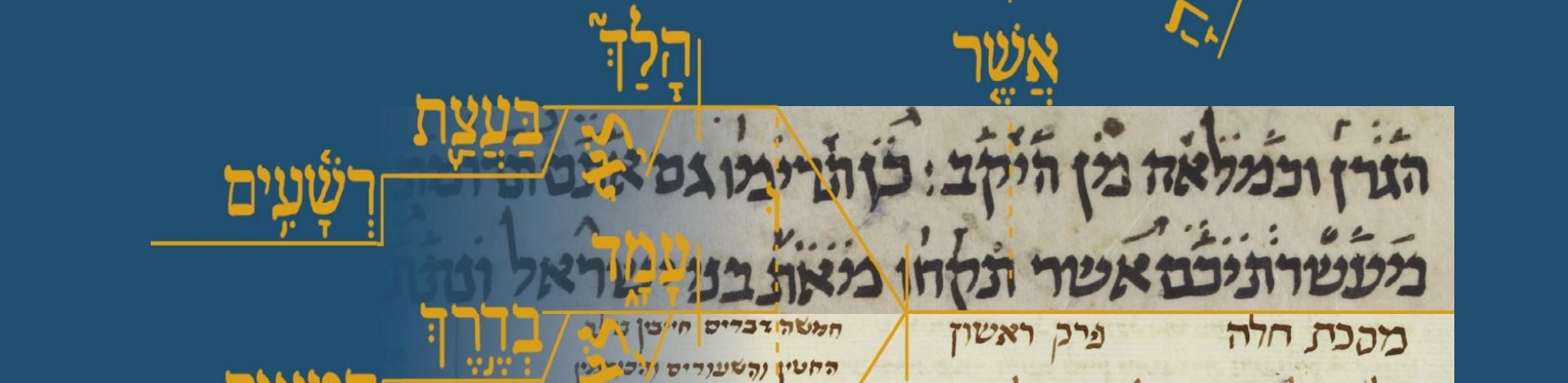
The modern names for the Hebrew vowels (qameṣ, pataḥ, segol, ṣere, ḥiriq/ḥireq, ḥolem, shuruq/shureq, qibbuṣ/qubbuṣ) are derived from a variety of medieval sources. The pair of qameṣ and pataḥ are the oldest, both having evolved in the earliest stages of Masoretic analysis of vocalisation. The remaining names are products of three different conventions. Ṣere, ḥiriq, ḥolem, and shuruq descend from four Aramaic technical terms that described the physical articulation of vowel phonemes during the ninth century. Additionally, segol describes the shape of its three-dot vowel sign in the Tiberian pointing tradition, while qibbuṣ is a Hebrew calque of an Arabic grammatical term. This article traces the evolution of these terms during the early medieval period alongside other vowel names that have not survived to the modern day.
Read here: https://doi.org/10.17613/m6hsc-xe921
Cite this work: Posegay, Nick. 2021. “Hissing, Gnashing, Piercing, Cracking: Naming Vowels in Medieval Hebrew.” New Perspectives in Biblical and Rabbinic Hebrew, eds. Aaron D. Hornkohl and Geoffrey Khan. Cambridge Semitic Languages and Cultures, 7. Cambridge: Open Book Publishers, 29-55, https://doi.org/10.11647/OBP.0250.02.