Nick Posegay

Archives • Manuscripts • Interfaith History

About This Site

Thank you to me for making this site. Thank you to academia./edu for forcing my hand by making their own site unsuitable for hosting academic materials. Most of all, thank you to you, dear reader, for finding this weird sidebar.

The Arabo-Tiberian Vocalisation System: An Undocumented Set of Medieval Vowel Signs for the Hebrew Script (2025)

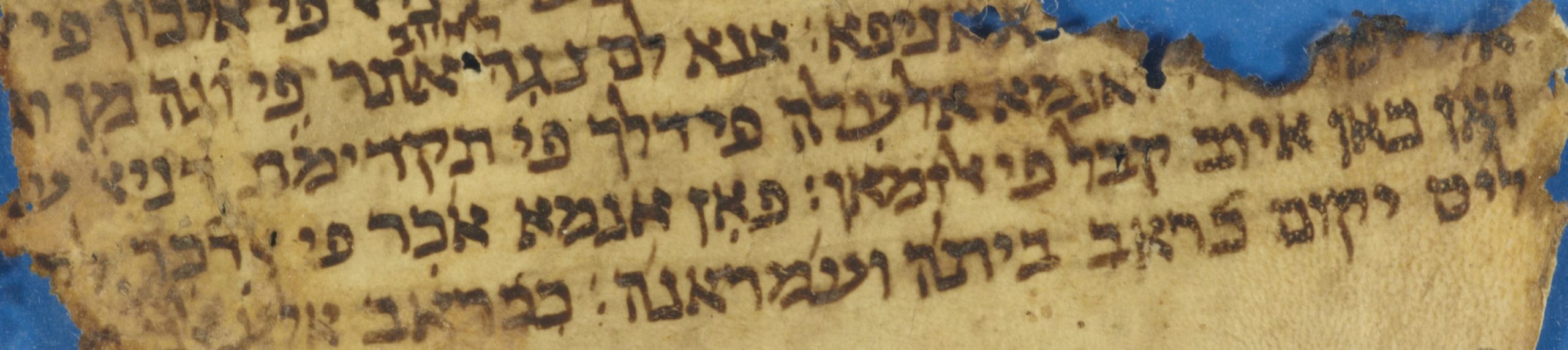
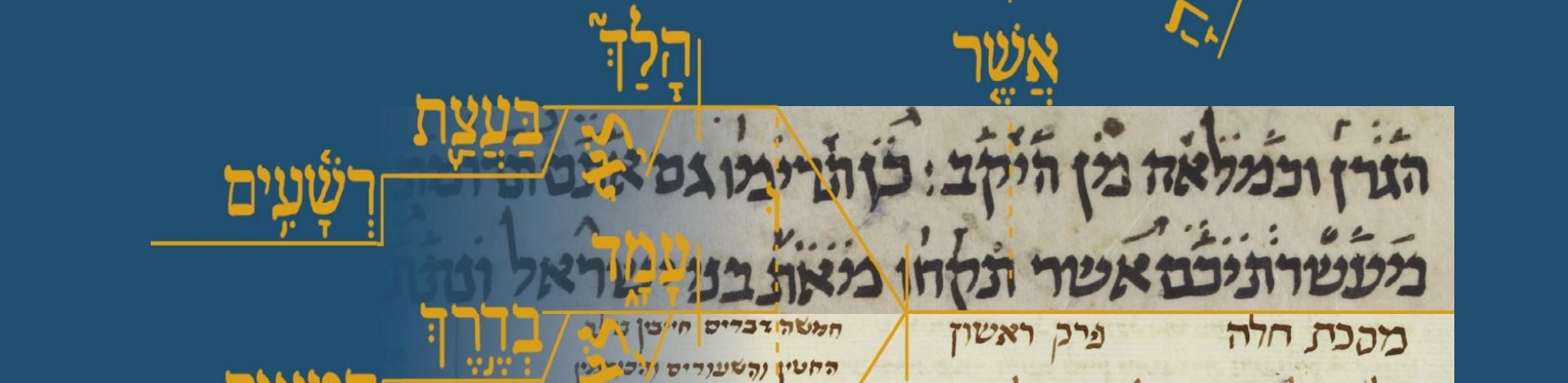
The three main Hebrew vocalisation systems—Tiberian, Palestinian, and Babylonian—are well-known in the history of Semitic languages. This article describes another previously undocumented Hebrew vocalisation system, the ‘Arabo-Tiberian system’, a sub-variant of the Tiberian system that appears only in Judaeo-Arabic manuscripts around the tenth and eleventh centuries. In addition to the typical Tiberian vowel marks, the

Some Notes on Melody: Saʿadya Gaon and Why ‘Naghma’ Means ‘Vowel’ in Judaeo-Arabic (2025)

The article explores the historical and linguistic contexts behind the use of the term ‘naghma’ in medieval Judaeo-Arabic to signify ‘vowel’, a meaning distinct from its Classical Arabic usage denoting ‘melody’, ‘tone’, or ‘sound’. Focusing on Saʿadya Gaon’s work, particularly his al-Qawl fī al-Nagham (‘Discourse on Melody’), the study highlights how the concept of ‘tone’

The Illustrated Cairo Genizah (2024)

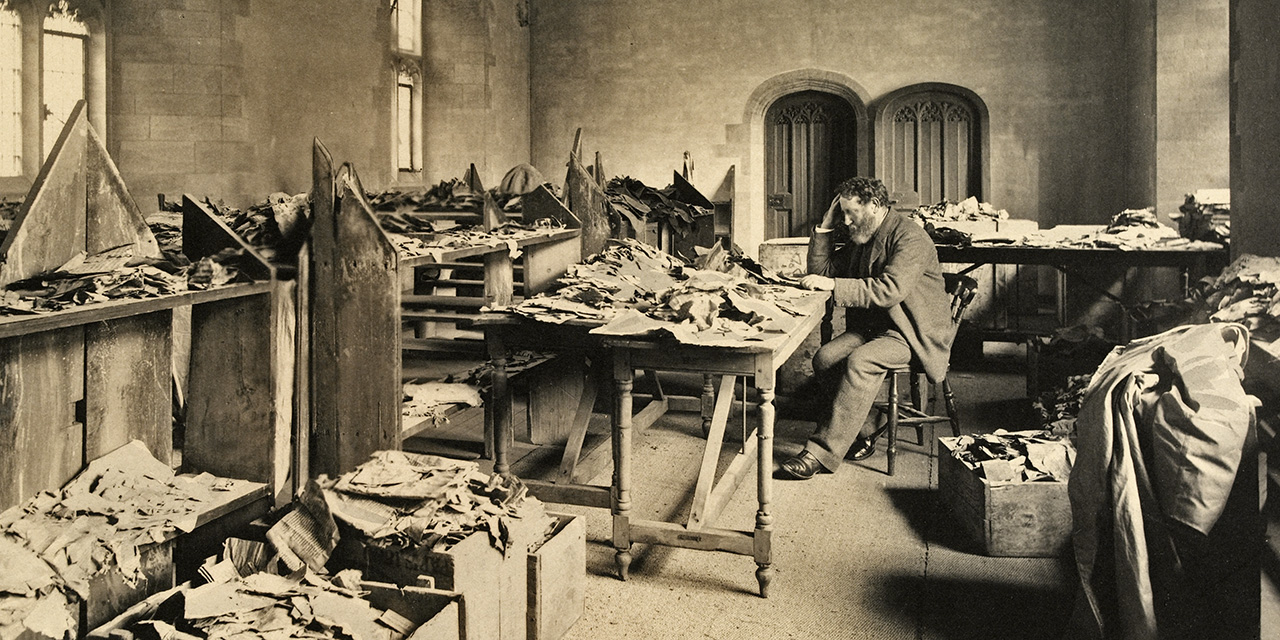
Almost one thousand years ago, the Jews of Old Cairo began to place their worn-out books and scrolls into a hidden storage room – a genizah – of their synagogue. Over the years, they added all sorts of writings to the pile, sacred and secular texts alike. When the chamber was emptied at the end

From the Battlefield of Books: Essays Celebrating 50 Years of the Taylor-Schechter Genizah Research unit (2024)

This collection of essays celebrates 50 years since the founding of the Taylor-Schechter Genizah Research Unit at Cambridge University Library. Three generations of scholars contributed their research and memories from their time at the GRU, stretching back to 1974. Their work comprises 18 articles on medieval Jewish History, Hebrew and Arabic manuscripts, archival history, and

An Early Arabic Translation of Exodus 15 from a Palestinian Melkite Psalter in the Cairo Genizah (2024)

This article presents an Arabic translation of Exodus 15 from the Cairo Genizah, preserved in two fragments of a Christian psalter (MSS CUL T-S NS 305.198 and T-S NS 305.210). The style of the psalter’s Arabic script suggests that it was copied by a well-trained scribe in the late 9th or early 10th century. Such

Points of Contact: The Shared Intellectual History of Vocalisation in Syriac, Arabic, and Hebrew (2021)

In the first few centuries of Islam, Middle Eastern Christians, Muslims, and Jews alike all faced the challenges of preserving their holy texts in the midst of a changing religious landscape. This situation led Syriac, Arabic, and Hebrew scholars to develop new fields of linguistic science in order to better analyse the languages of the

The Long Road to Samarqand: Reverse-Engineering the Travels of a 12th-Century Andalusi Muslim (T-S Ar.53.39) (2023)

Over the last 5 years, I have written about several different Cairo Genizah manuscripts for our Fragment of the Month series. Most of the time, I pick a fragment that I’ve spent many days studying to identify what it is and where it came from. These manuscript mysteries often lead to new discoveries that can be fun

To Belabour the Points: Encoding Vowel Phonology in Syriac and Hebrew Vocalization (2021)

Medieval Hebrew and Syriac scribes both indicated vowels by placing dots above or below their consonantal writing. These vowel points were created in the Late Antique and early Islamic periods to disambiguate the vocalization of important texts, especially the Bible. The earliest step in this process was the implementation of the Syriac ‘diacritic dot’ system,

Hissing, Gnashing, Piercing, Cracking: Naming Vowels in Medieval Hebrew (2021)

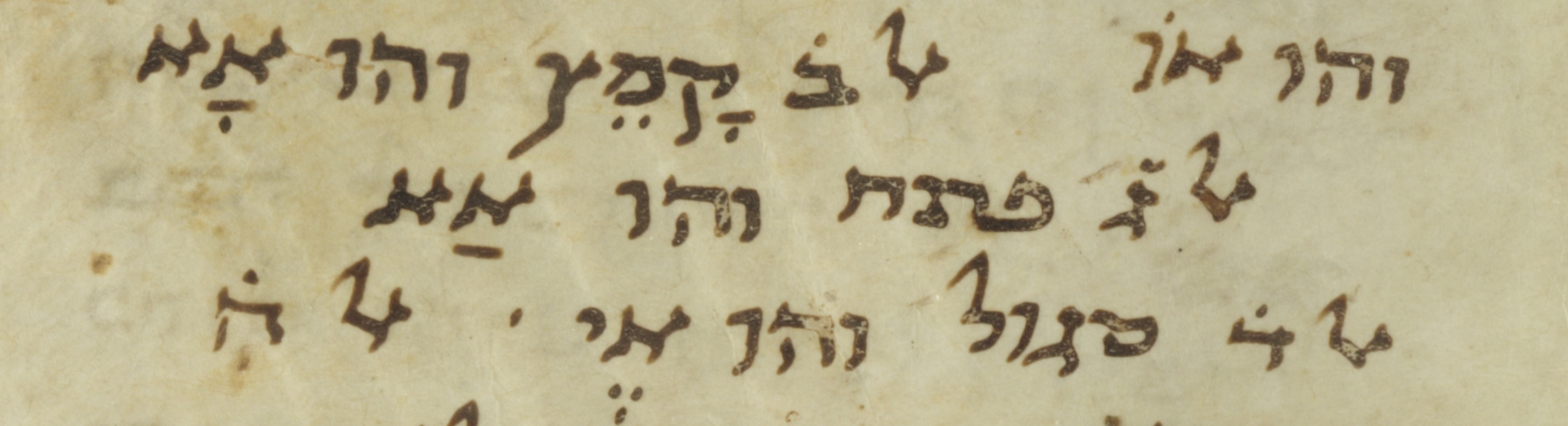
The modern names for the Hebrew vowels (qameṣ, pataḥ, segol, ṣere, ḥiriq/ḥireq, ḥolem, shuruq/shureq, qibbuṣ/qubbuṣ) are derived from a variety of medieval sources. The pair of qameṣ and pataḥ are the oldest, both having evolved in the earliest stages of Masoretic analysis of vocalisation. The remaining names are products of three different conventions. Ṣere, ḥiriq,