Nick Posegay

Archives • Manuscripts • Interfaith History

About This Site

Thank you to me for making this site. Thank you to academia./edu for forcing my hand by making their own site unsuitable for hosting academic materials. Most of all, thank you to you, dear reader, for finding this weird sidebar.

Jewish Parchment, Muslim Prayer – Uncovering an Early Abbasid Palimpsest (2021)

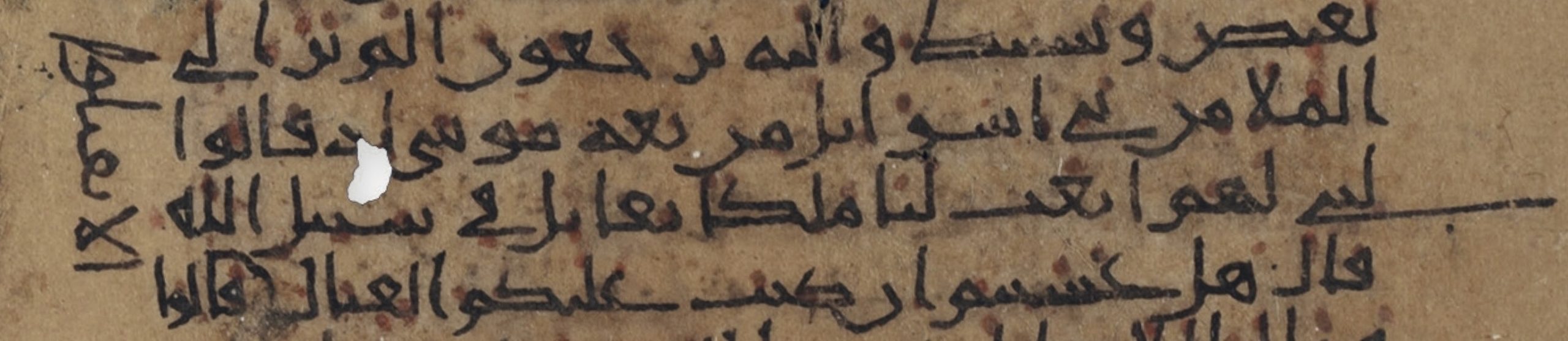
Sometimes it takes a while to identify a Genizah fragment. No one is an expert in all the languages, genres, and scripts that appear in Genizah collections, and even for experts, it is often difficult to decipher severely damaged manuscripts. The Genizah Research Unit has worked for almost five decades to catalogue the Taylor-Schechter Collection,

Hissing, Gnashing, Piercing, Cracking: Naming Vowels in Medieval Hebrew (2021)

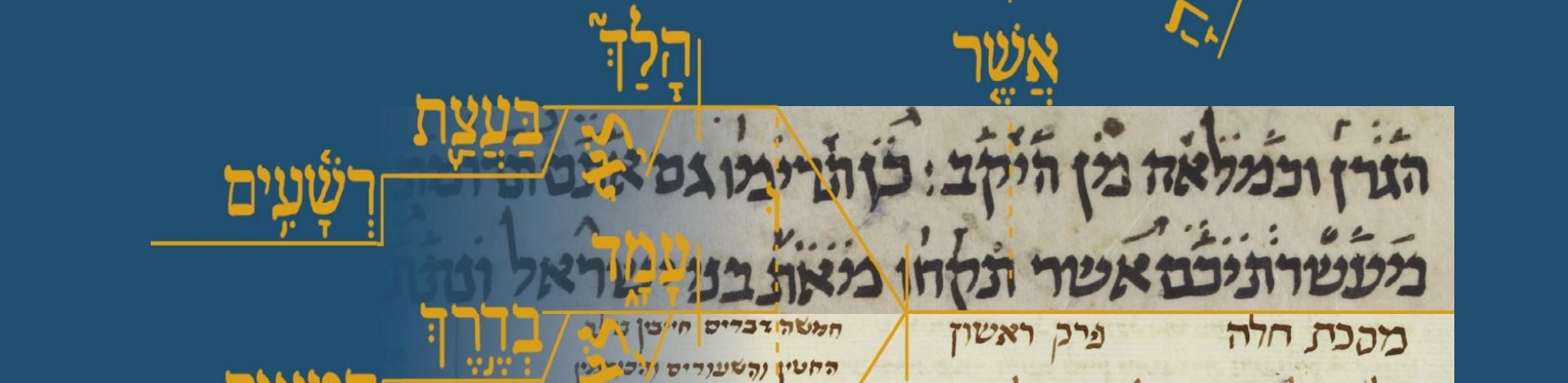
The modern names for the Hebrew vowels (qameṣ, pataḥ, segol, ṣere, ḥiriq/ḥireq, ḥolem, shuruq/shureq, qibbuṣ/qubbuṣ) are derived from a variety of medieval sources. The pair of qameṣ and pataḥ are the oldest, both having evolved in the earliest stages of Masoretic analysis of vocalisation. The remaining names are products of three different conventions. Ṣere, ḥiriq,

Following the Links in T-S NS 192.11: A Qurʾanic Exercise from a Cairene Public School (2020)

No individual possesses the expertise required to understand every manuscript in the Genizah collections, so as researchers we must utilise all available resources to interpret what we find. Sometimes that means consulting long-forgotten tomes in the deepest vaults of the University Library, or squinting at microfilms that were surely cutting-edge at some point in the

‘An Arabic Qurʾān, That You Might Understand’: Qurʾān Fragments in the T-S Arabic Cairo Genizah Collection (2020)

The Arabic-script Qurʾān fragments of the Cairo Genizah collections have not yet drawn much interest among Arabic and genizah scholars. This paper aims to bring them to the attention of a broader audience by presenting the palaeographic features (§3) and vocalisation systems (§4) of eleven Arabic-script Qurʾān fragments from the Cambridge University Library’s Taylor-Schechter Arabic