Nick Posegay

Archives • Manuscripts • Interfaith History

About This Site

Thank you to me for making this site. Thank you to academia./edu for forcing my hand by making their own site unsuitable for hosting academic materials. Most of all, thank you to you, dear reader, for finding this weird sidebar.

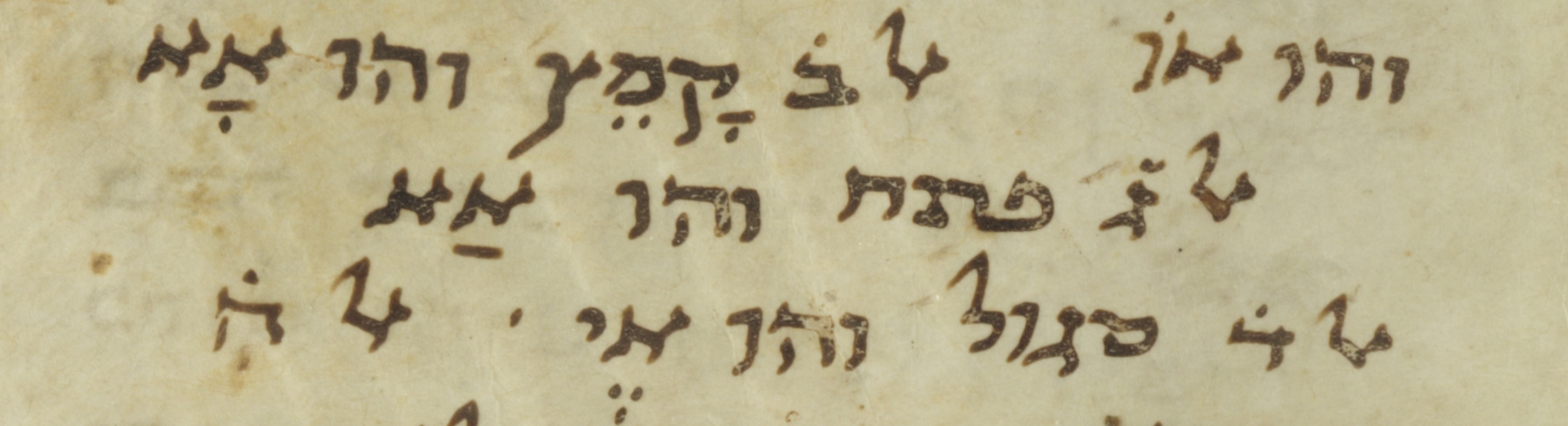
The Arabo-Tiberian Vocalisation System: An Undocumented Set of Medieval Vowel Signs for the Hebrew Script (2025)

The three main Hebrew vocalisation systems—Tiberian, Palestinian, and Babylonian—are well-known in the history of Semitic languages. This article describes another previously undocumented Hebrew vocalisation system, the ‘Arabo-Tiberian system’, a sub-variant of the Tiberian system that appears only in Judaeo-Arabic manuscripts around the tenth and eleventh centuries. In addition to the typical Tiberian vowel marks, the
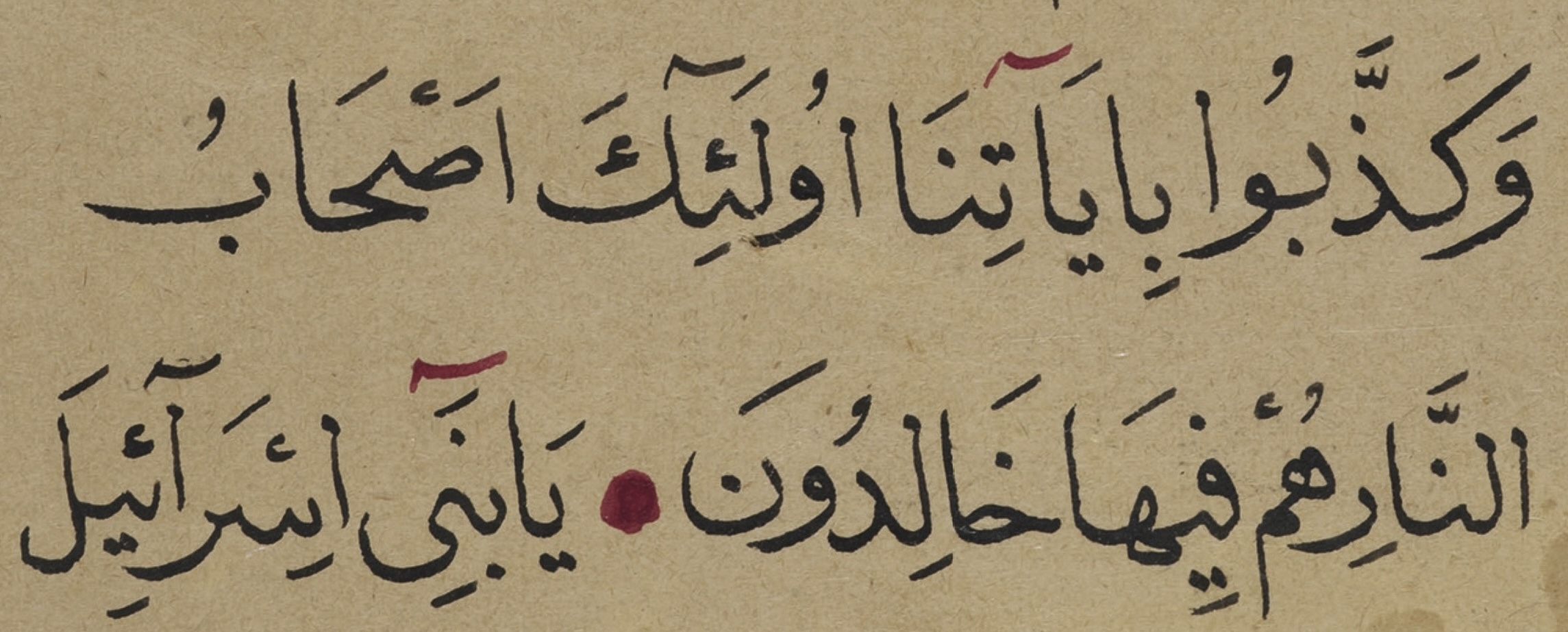
Points of Contact: The Shared Intellectual History of Vocalisation in Syriac, Arabic, and Hebrew (2021)

In the first few centuries of Islam, Middle Eastern Christians, Muslims, and Jews alike all faced the challenges of preserving their holy texts in the midst of a changing religious landscape. This situation led Syriac, Arabic, and Hebrew scholars to develop new fields of linguistic science in order to better analyse the languages of the

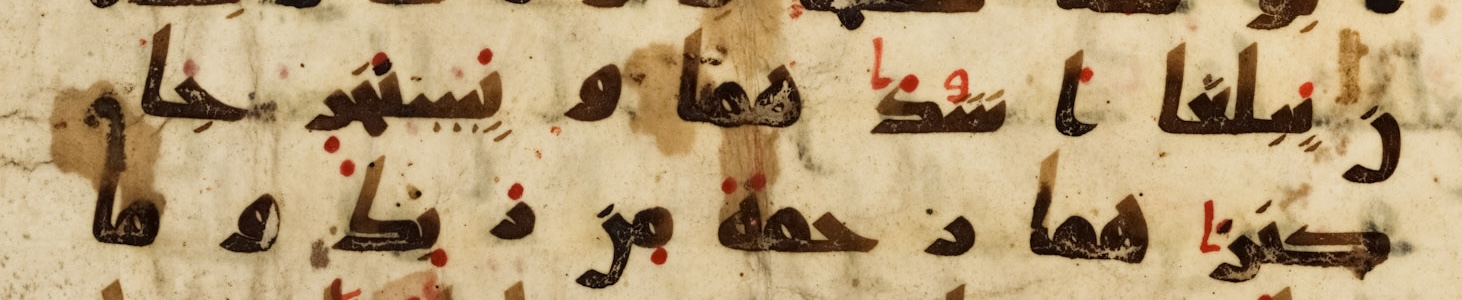
The Marking of Poetry: A Rare Vocalization System from an Early Qurʾān Manuscript in Chicago, Paris, and Doha (2021)

This paper provides updated digital images of four Qurʾān fragments from Chicago’s Oriental Institute Museum (OIM) that appeared in Nabia Abbott’s Rise of the North Arabic Script, and calls attention to features of their paleography and vocalization which are not apparent from her original black-and-white plates. In doing so, it demonstrates that these four fragments

Men of Letters in the Syriac Scribal Tradition: Dawid bar Pawlos, Rabban Rāmišoʿ, and the Family of Beṯ Rabban (2021)

Dawid bar Pawlos’ Letter on Dots is an eighth-century text that purportedly describes the introduction of some of the dots used in Syriac writing. It also sheds light on the life of a certain Rāmišoʿ of Beṯ Rabban, apparently the same man as the master of pointing named in MS BL Add. 12138. However, most

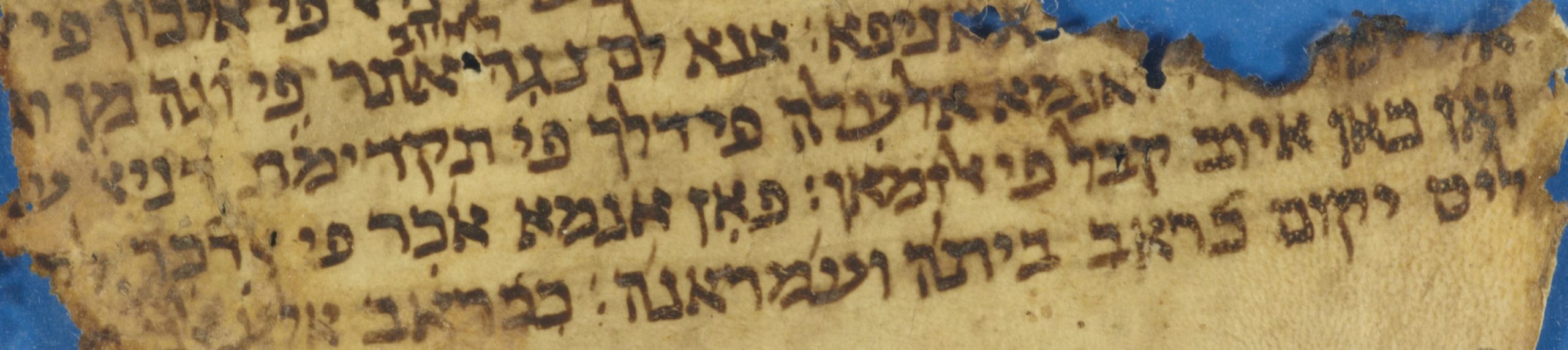
Following the Links in T-S NS 192.11: A Qurʾanic Exercise from a Cairene Public School (2020)

No individual possesses the expertise required to understand every manuscript in the Genizah collections, so as researchers we must utilise all available resources to interpret what we find. Sometimes that means consulting long-forgotten tomes in the deepest vaults of the University Library, or squinting at microfilms that were surely cutting-edge at some point in the