Nick Posegay

Archives • Manuscripts • Interfaith History

About This Site

Thank you to me for making this site. Thank you to academia./edu for forcing my hand by making their own site unsuitable for hosting academic materials. Most of all, thank you to you, dear reader, for finding this weird sidebar.

Following the Mediterranean Paper Trail: A Study of European Paper in Late Medieval Cairo (c. 1350–1600) (2024)

This article seeks to cross disciplinary boundaries while examining watermark paper in the ‘Cairo Genizah’ manuscript collections at the Cambridge University Library. Mainly dating between 1100 and 1897, this corpus provides a continuous cross-section of Egyptian-Jewish literary activity during the entire transition to watermark paper, including samples of paper stocks used in Cairo, Alexandria, Rosetta,

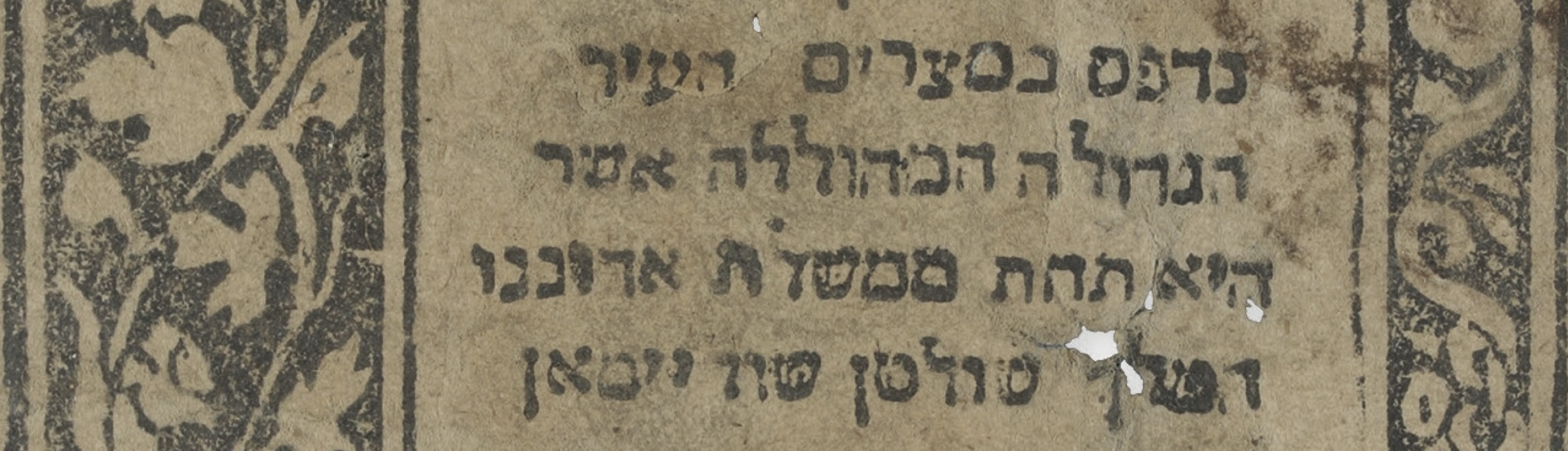
Hebrew Printing and Printers’ Colophons in the Cairo Genizah: Networking Book Trade in Europe and the Ottoman Empire (2023)

The Cairo Genizah is famous as a source of manuscripts for the study of the medieval Mediterranean world, especially Jewish communities during the High Middle Ages. However, among the hundreds of thousands of Middle Eastern manuscript fragments in Genizah collections are more than 12,000 moveable-type printed items, most of which come from Europe. They are

Solving European Writer’s Block in Jewish Cairo (T-S 20.188) (2023)

One of the duties of the Cambridge Genizah Research Unit (GRU) is to identify and describe the manuscript fragments in the Taylor-Schechter Collection. That Collection contains almost 200,000 fragments, so this job is taking a while. Luckily, the GRU regularly employs experts in medieval Hebrew, Arabic, and Aramaic to catalogue the contents of medieval texts.

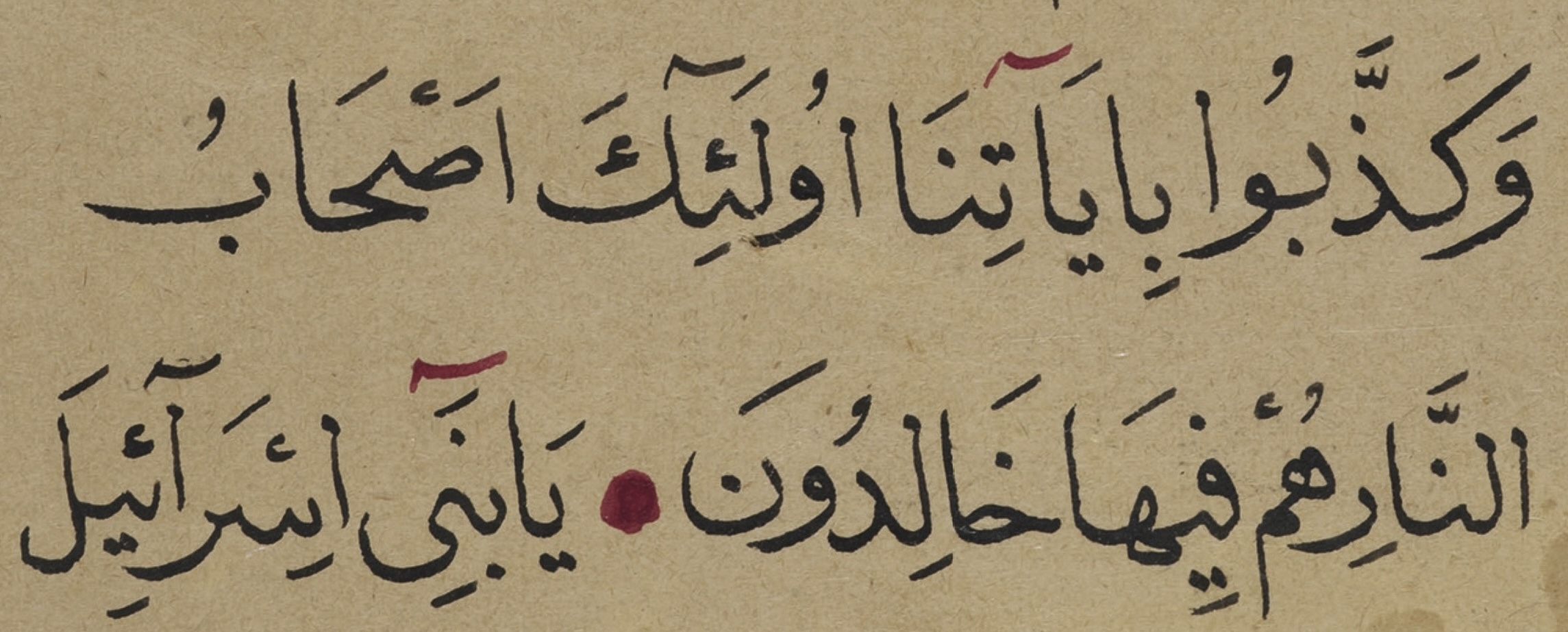
Following the Links in T-S NS 192.11: A Qurʾanic Exercise from a Cairene Public School (2020)

No individual possesses the expertise required to understand every manuscript in the Genizah collections, so as researchers we must utilise all available resources to interpret what we find. Sometimes that means consulting long-forgotten tomes in the deepest vaults of the University Library, or squinting at microfilms that were surely cutting-edge at some point in the