Nick Posegay

Archives • Manuscripts • Interfaith History

About This Site

Thank you to me for making this site. Thank you to academia./edu for forcing my hand by making their own site unsuitable for hosting academic materials. Most of all, thank you to you, dear reader, for finding this weird sidebar.

Following the Mediterranean Paper Trail: A Study of European Paper in Late Medieval Cairo (c. 1350–1600) (2024)

This article seeks to cross disciplinary boundaries while examining watermark paper in the ‘Cairo Genizah’ manuscript collections at the Cambridge University Library. Mainly dating between 1100 and 1897, this corpus provides a continuous cross-section of Egyptian-Jewish literary activity during the entire transition to watermark paper, including samples of paper stocks used in Cairo, Alexandria, Rosetta,

The Illustrated Cairo Genizah (2024)

Almost one thousand years ago, the Jews of Old Cairo began to place their worn-out books and scrolls into a hidden storage room – a genizah – of their synagogue. Over the years, they added all sorts of writings to the pile, sacred and secular texts alike. When the chamber was emptied at the end

Ernest James Worman and the Victorian Genizah: A Salt-Miner’s Tale of Romance, Tax Evasion, and Sudden Death (2024)

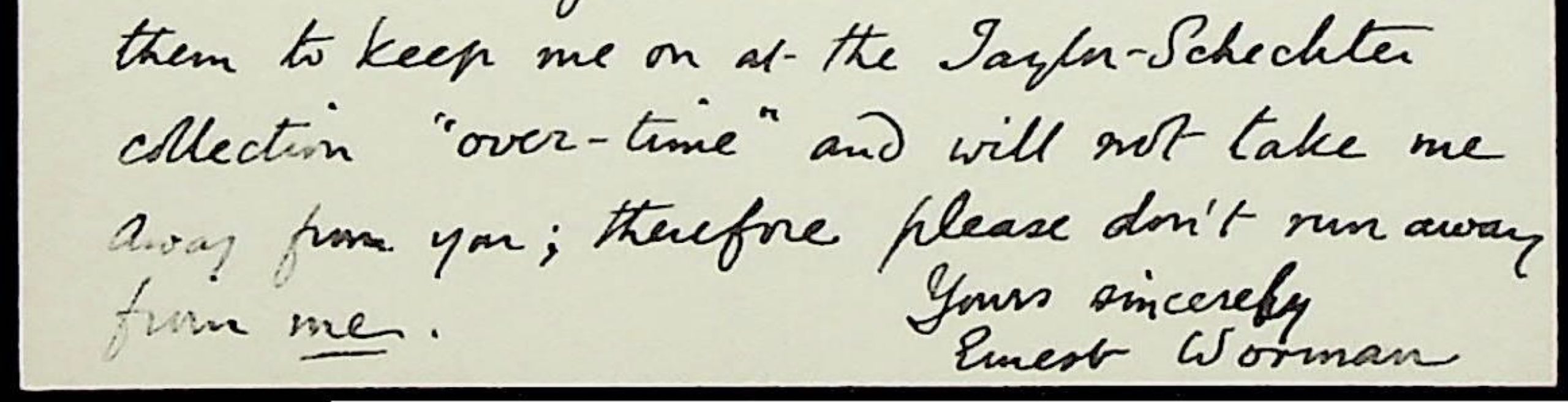
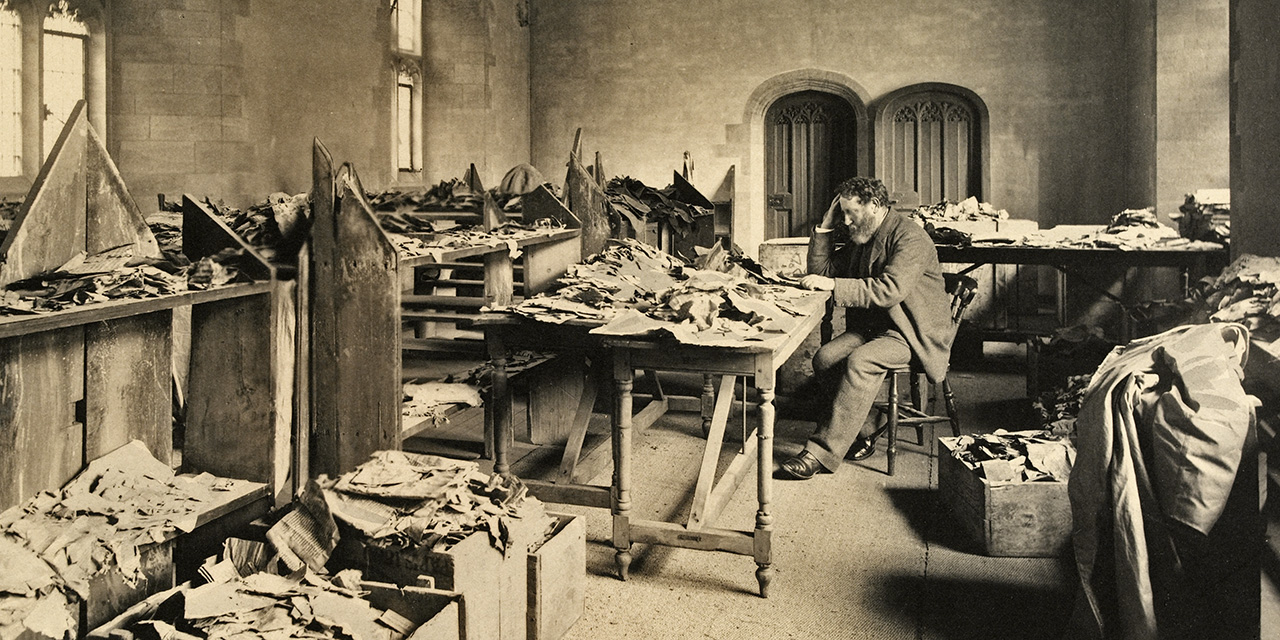
Ernest Worman was the first scholar to experience what many of us have come to recognise as the ‘salt-mine’ of the Genizah. Already seven decades before the founding of the Genizah Research Unit (GRU), he toiled away in the depths of Cambridge University Library (CUL), documenting fragment after fragment that, for the most part, did

From the Battlefield of Books: Essays Celebrating 50 Years of the Taylor-Schechter Genizah Research unit (2024)

This collection of essays celebrates 50 years since the founding of the Taylor-Schechter Genizah Research Unit at Cambridge University Library. Three generations of scholars contributed their research and memories from their time at the GRU, stretching back to 1974. Their work comprises 18 articles on medieval Jewish History, Hebrew and Arabic manuscripts, archival history, and

Points of Contact: The Shared Intellectual History of Vocalisation in Syriac, Arabic, and Hebrew (2021)

In the first few centuries of Islam, Middle Eastern Christians, Muslims, and Jews alike all faced the challenges of preserving their holy texts in the midst of a changing religious landscape. This situation led Syriac, Arabic, and Hebrew scholars to develop new fields of linguistic science in order to better analyse the languages of the

Solving European Writer’s Block in Jewish Cairo (T-S 20.188) (2023)

One of the duties of the Cambridge Genizah Research Unit (GRU) is to identify and describe the manuscript fragments in the Taylor-Schechter Collection. That Collection contains almost 200,000 fragments, so this job is taking a while. Luckily, the GRU regularly employs experts in medieval Hebrew, Arabic, and Aramaic to catalogue the contents of medieval texts.

To Belabour the Points: Encoding Vowel Phonology in Syriac and Hebrew Vocalization (2021)

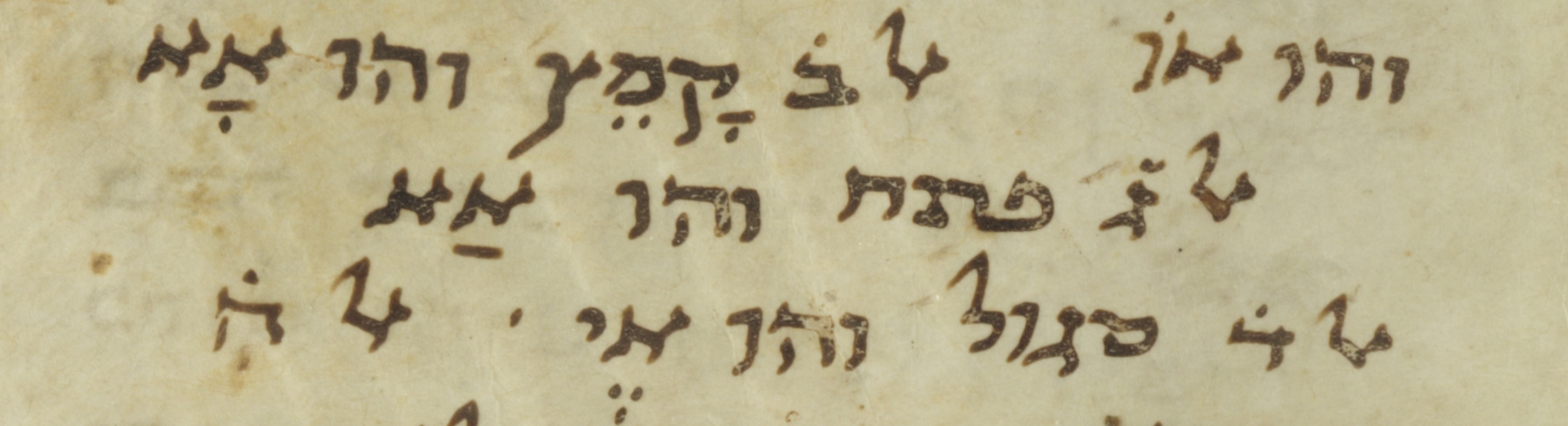
Medieval Hebrew and Syriac scribes both indicated vowels by placing dots above or below their consonantal writing. These vowel points were created in the Late Antique and early Islamic periods to disambiguate the vocalization of important texts, especially the Bible. The earliest step in this process was the implementation of the Syriac ‘diacritic dot’ system,

Men of Letters in the Syriac Scribal Tradition: Dawid bar Pawlos, Rabban Rāmišoʿ, and the Family of Beṯ Rabban (2021)

Dawid bar Pawlos’ Letter on Dots is an eighth-century text that purportedly describes the introduction of some of the dots used in Syriac writing. It also sheds light on the life of a certain Rāmišoʿ of Beṯ Rabban, apparently the same man as the master of pointing named in MS BL Add. 12138. However, most